

Services
Over 110 years of continuous research and development, innovation and investment in our people and facilities has given Bakels the reputation it has today. A combination of all these qualities allows us to build unrivalled partnerships across global markets.
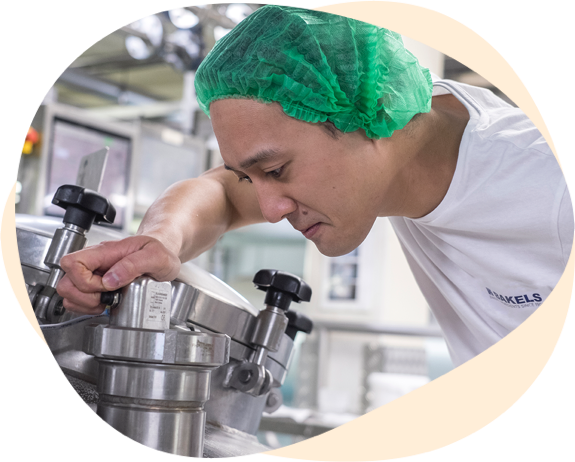
Global Centres of Competence
A global network of centres allow us to call upon specialist knowledge and expertise to support our customers locally.
 Technical support
 Manufacturing expertise
 High quality service
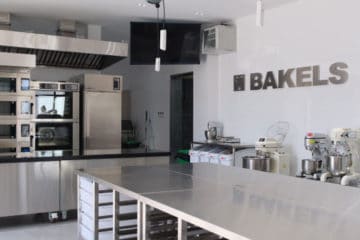
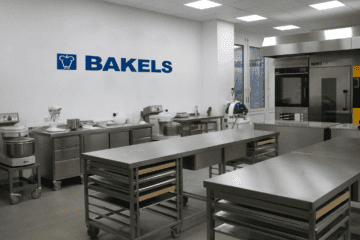
Choose Baking Centre
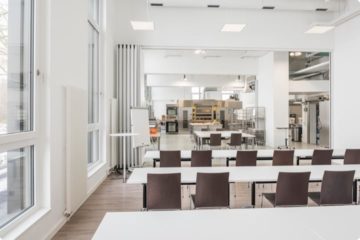
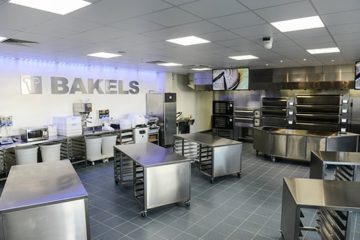
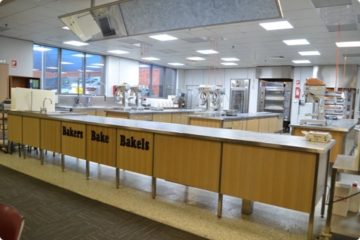
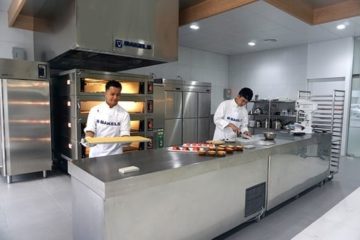
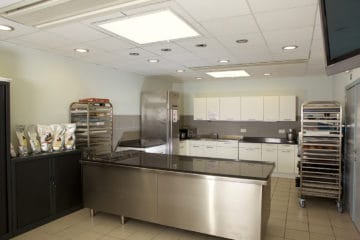
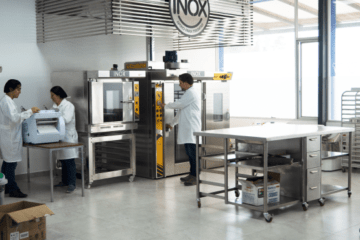


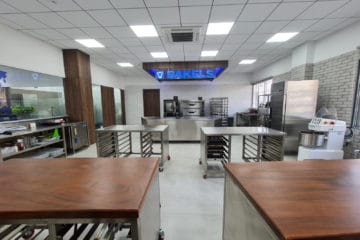



Research & Development
Our world class baking facilities mean we collectively provide development and support to our customers, large and small.
Industry tailored solutions
Whatever their size or requirements, Bakels are here to help customers provide industry-specific solutions to fulfil their dreams and ambitions.

Artisan & Craft Bakers
Since 1904, we have supported hundreds of thousands of Artisan/craft bakeries, helping each and every customer add value to their business. By sharing their passion for product development, weÛªre able to work alongside the very bakers who have often been part of a long generation of family bakers.

Retail Bakers
Our commitment to bespoke product development and technical support allows us to form long term partnerships with our retail customers.
Industrial Bakers
At Bakels we believe that long term relationships breed long term value ÛÒ thatÛªs why we strive to form partnerships with all our industrial bakery customers. Beyond the development of innovative products, Bakels provide flexibility in packaging solutions, which is tailored to customer process requirements.
